7 Phases of Software Development Lifecycle (SDLC) â A Comprehensive Guide

Software development is a complex process that requires a methodical approach to ensure the success of the project. The SDLC is a framework that outlines the Phases of software development, from ideation to delivery. Moreover, the Software Development Lifecycle is a crucial process for any software development project. It helps to ensure that the software meets the clients, is of high quality, delivered on time within budget.
In this article, we will discuss the 7 phases of the software development lifecycle. Before that, let’s briefly look at what SDLC is:
Software Development Life Cycle (SDLC) — A process or system used to manage the stages of software development, ensuring that the software evolves efficiently. It helps developers track progress, collaborate effectively, and ensure the end product meets both requirements and quality standards. The choice of software development model influences how these stages are executed and managed.
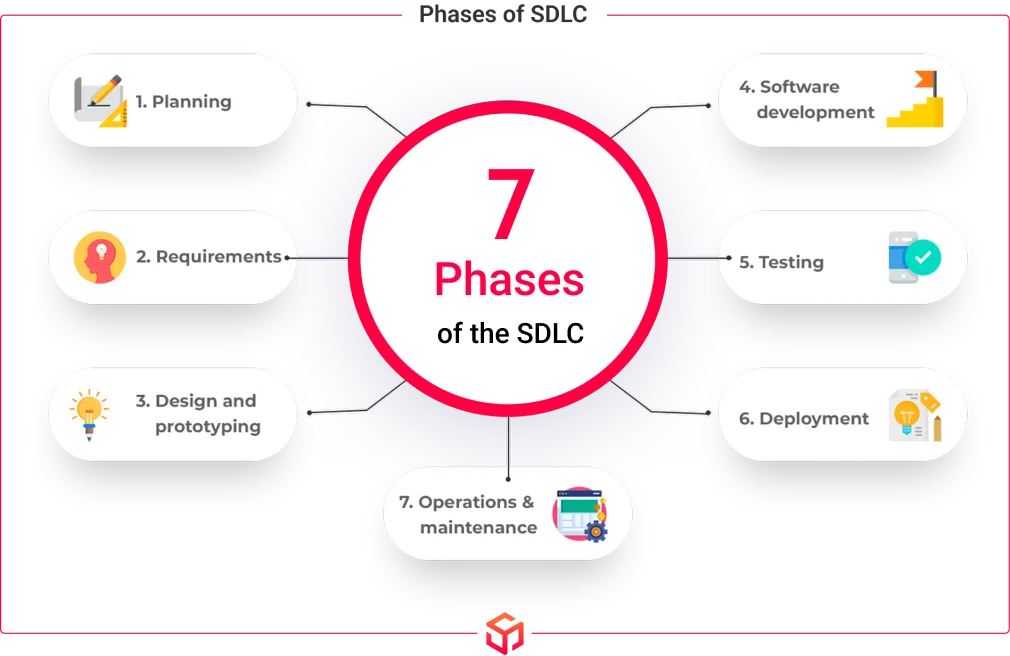
First, this phase of the software development lifecycle is planning. This phase involves defining the project, determining the goals, objectives and Identifying the resources required. The planning phase sets the foundation for the entire software development project. Moreover, it is crucial to get it right.
In the planning phase, the following activities take place:-
Gathering requirements from clients
Defining the project
Identifying project goals and objectives
Creating a project plan
Allocating resources
Second, this phase of the software development lifecycle is analysis. In this phase, they analyzed the requirements gathered in the planning phase to determine the feasibility of the project. On the other hand, the analysis phase helps to identify any potential challenges or issues that may arise during the software development process.
In the analysis phase, the following activities take place:-
Analyzing the gathered requirements
Identifying potential challenges and issues
Developing a detailed project plan
Creating a functional specification document
Identifying any third-party tools or technologies required
The third phase of the software development lifecycle is design. In this phase, we create the software design based on the requirements gathered in the planning phase and the functional specification document created in the analysis phase. Again, the design phase helps to ensure that the software meets the clients is of high quality.
In the design phase, the following activities take place:-
Creating a detailed software design
Identifying any potential design issues or challenges
Developing a user interface design
Creating a database schema
Identifying any required software technology
The fourth phase of the software development lifecycle is development. In addition, the Design and development of SDLC is we develop the software based on the design created in the previous phase. Moreover, the development phase is the most time-consuming phase of the software development technique , it involves writing code, testing, and debugging.
In the development phase, the following activities take place:-
Writing code
Testing the software
Debugging
Creating user manuals and technical documentation
Conducting performance testing
Fifth phase of the software development lifecycle is testing. In this phase, we test the software to ensure that it meets the clients and is of high quality. Additionally, the testing phase helps to identify any defects or issues with the software, which are then fixed before we release the software.
In the testing phase, the following activities take place:-
Functional testing
System testing
Integration testing
Acceptance testing
Regression testing
The sixth phase of the software development lifecycle is deployment. In this phase, we deploy the software to the production environment. The deployment phase involves a series of tasks to ensure that the software is ready for release and that the end users can use it. Even so,the deployment phase is a critical phase of the software development lifecycle, as it determines the success of the project.
In the deployment phase, the following activities take place:-
Preparing the software for release
Creating installation packages
Deploying the software to the production environment
Conducting user acceptance testing
Providing training to end-users
Looking to Hire Software Developers? Contact Soft Suave.
Ultimately, the final phase of the software development lifecycle is maintenance. This phase, often referred to as software maintenance, plays a critical role in ensuring the application remains effective and aligned with evolving user needs. To better understand what is software maintenance, it involves fixing defects, improving performance, and updating the software to stay compatible with new technologies or business requirements.
In the maintenance phase, the following activities take place:-
Monitoring the software
Conducting maintenance activities
Fixing defects or issues with the software
Enhancing the software based on feedback from clients
Providing technical support to end-users
The software development lifecycle plays a vital role in app development. Here are some things you should know about its importance.
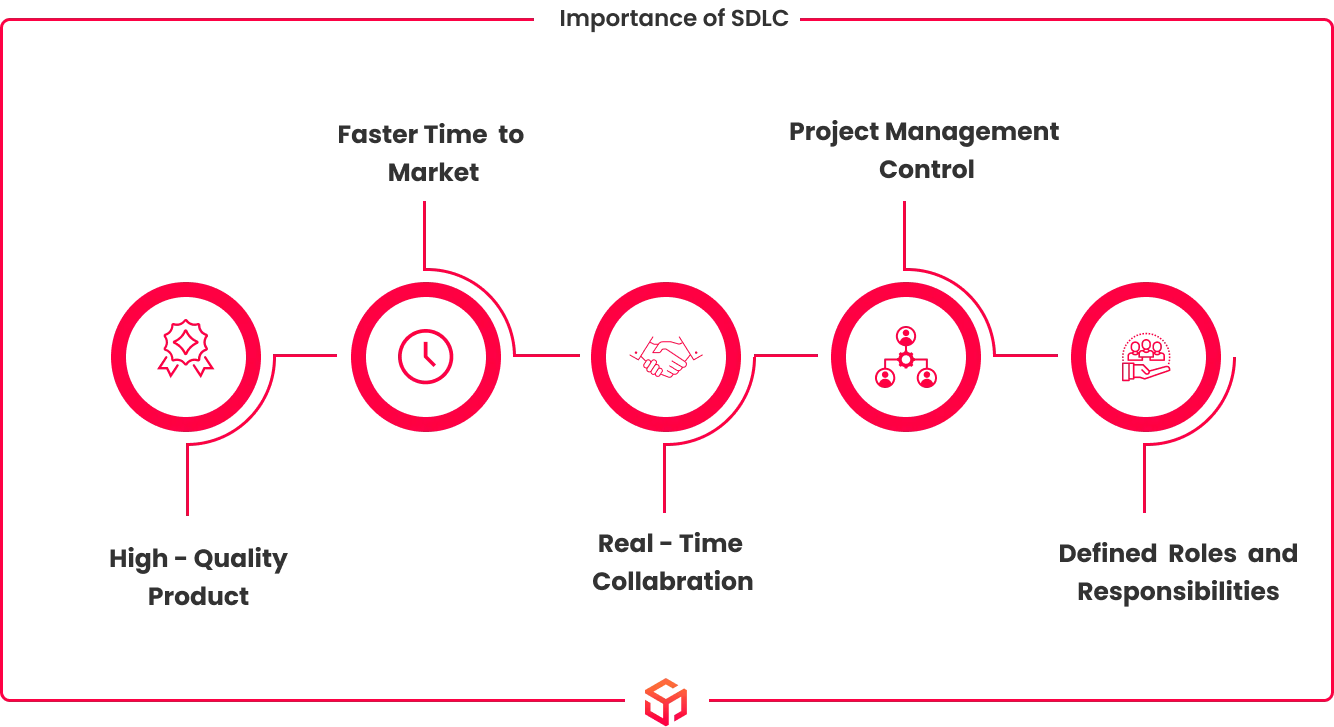
Ensure an efficient and systematic software development process
Helps in meeting project requirements and stakeholder expectations
Reduces development time and cost
Improve software quality and reliability
Facilitates effective communication among stakeholders and team members
The future of software development life cycle (SDLC) will be shaped by trends such as agile methodologies, DevOps, artificial intelligence (AI), and low-code development platforms. Despite, the Agile methodologies emphasize collaboration and iterative development, while DevOps aims to deliver software more quickly and reliably.
Furthermore, AI and machine learning can automate certain tasks and identify insights in large datasets. And, Low-code and no-code platforms like shopify enable non-coders to build and deploy applications quickly and easily. These trends and technologies are emerging as organizations seek to deliver software more efficiently and cost-effectively.The 7 phases of software development lifecycle are the crucial framework that helps to ensure the success of software development projects. Lastly, Each phase of the SDLC is important, and it is essential to follow the process to ensure that the software meets the clients, is of high quality, and is delivered on time and within budget. The best software development company in India, Soft Suave develops software that meets users’ needs according to SDLC. Besides, our experts are more skilled and always been updated in advanced technologies so that we provide the best service when it comes to app development.
Are you looking for top-notch software development services?
Our team of experienced developers can help you build high-quality software solutions that meet your business needs.
The Software Development Lifecycle (SDLC) is a framework that outlines the stages of software development, from ideation to delivery.The SDLC is important for software development projects as it helps to ensure that the software meets the clients, is of high quality and is delivered on time and within budget.The benefits of following the SDLC include better project management, improved quality of the software, reduced development costs, and improved communication between clients.
Related Blogs